„La nostra linea era a nove metri dal nemico…“

[iframe src=“http://cba.fro.at/271871/embed?&socialmedia=true&title=false&subscribe=true&series_link=true“ width=“100%“ height=“250″ style=“border:none; width:100%; height:250;“]


Stimmen of the Schützengraben #17 deals once more with the Alpine front (see episode #10).  In the first half of the show we try to give a general impression of war in the mountains while the second half is dedicated to specific episodes and situations.


Austrian soldiers on the Ortler, September 1916 (Österreichische Nationalbibliotek)

Austrian soldiers on the Ortler, September 1916 (Österreichische Nationalbibliothek)


We begin with Fritz Weber (see episode #16), an Austrian Lieutenant who witnessed the war against Italy from the very first days (he was at Fort Verle when it was heavily bombed by Italian artillery in may 1915) to the very end, fighting on different scenarios such as Monte Cimone (see episode #16) and the Alpine front, but also taking part in several battles on the Isonzo front (see episodes #13, #12, #11, #5, #4, #1)). At Fort Verle Weber became friends with Luis Trenker, with whom he wrote several books related with the war on the Alps. Trenkler also directed a film on this topic, released in 1931 with the title „Bergen in Flammen“, here with Italian subtitles:


[iframe width=“420″ height=“315″ src=“//www.youtube.com/embed/69WpYt0BUd4?rel=0″ frameborder=“0″ allowfullscreen]


The Source of this document is the book „Der Alpenkrieg“, also published with the titles „Das Ende einer Armee“ and „Das Ende der alte Armee“ (for more details about the editions of this book see episode #16).  The selected passage belongs to the first part of the book, „Granaten und Lawinen“. At pages 82-83 the author gives an impression of what the war in the Alps looked like: avalanches, cold, deadly nature. But also enemies that could dig silent galleries under fresh snow, spring all of a sudden out of the ground, kill and capture in the twinkling of an eye. They would then vanish in the snow, before any help could come. These pages are related to the winter 1916-1917 on Mount Pasubio.


Italian Alpini in 1915 (Bibliothèque Nationale de France)

Italian Alpini in 1915 (Bibliothèque Nationale de France)


The second document of the week is a passage from the book „Un anno sul Pasubio“, by Italian officer Michele Campana. He was assigned to the infantry brigade „Liguria„, which defended a very difficult position from July to November 1916. In some sectors there were only 9 meters between Italian and Austrian lines, with only one barbed wire fence in the middle. The stress was extremely high and the soldiers had to lay on the ground most of the times, with their rifle and hand grenades ready for use.


Austrian sniper, 1916 (Österreichische Nationalbibliothek)

Austrian sniper, 1916 (Österreichische Nationalbibliothek)

Austrian snipers were one of the biggest dangers, because they rarely missed their shot. Most of them were used to hunting big game before the war and already had a great experience with scoped rifles. Moreover, the adoption of explosive rounds by the Austro-Hungarian Army is well documented, although their use was forbidden against human targets by the Saint Petersburg Declaration of 1868. Their shots, usually aimed at the head, were extremely deadly.

In his book, Campana recalls a conversation with one of these snipers. The man came from Tirol and had been taken prisoner, but still carried with pride the case of a rifle scope.

Curiosity: the Italian word for „sniper“ is „cecchino„. During WWI Italian soldiers often referred to the enemy as „Cecco Beppe„, short form of „Francesco Giuseppe“ (Fanz Josef, the Austrian Kaiser). „Cecchino“ is a further diminutive of „Cecco Beppe“. It is not possible to say who started using this ironical nickname to identify the invisible threat, but it became so popular that  it is still part of the common language. Using a common man’s name for the enemy is a well documented practice: British soldiers were called „Tommys“ by the Germans, who in return were called „Fritz“ by the British. Similar nicknames were used during WWII, and during the Vietnam War American troops referred to the Vietcong as „Charlie“.


Austrian soldier on the Ortler, September 1916 (Österreichische Nationalbibliothek)

Austrian soldier on the Ortler, September 1916 (Österreichische Nationalbibliothek)


The third document is an extract from the war journal of Thomas Bergner (see episode #10). The was written on the  24 July 1915 in the Soča valley, and it shows how hard the life on the mountains was, even in summer. the weather was windy and rainy, very cold, and the only source of drinkable water was the snow in the fissures between rocks, that soldiers had to fetch risking their lives. A transcription of the diaries and letters of Thomas Bergner is available at: http://www.europeana1914-1918.eu/en/contributions/13071.


Italian Alpini during WWI (www.nondimenticare.com)

Italian Alpini during WWI (www.nondimenticare.com)


The last document of this episode is a short passage taken from the memories of Italian soldier Giacomo Pesenti (see episode #10). He once was on watch duty with two other soldiers on a ridge of the Königsspitze (Gran Zebrù), on the border between Sud Tirol and Lombardy. They wanted to shoot against the Austrian trench to let them know they were awake and alert, but as soon as they pulled the trigger they were struck by lightning. Pesenti says the weather was not stormy, and there was only one single black cloud above them. He was thrown against a wooden balk and hit his head, but one of his comrades was less lucky, and was seriously injured. Pesenti informed his headquarters and unplugged the telephone to avoid attracting more lightning.
The short extract comes from the book “La Grande Guerra in Lombardia”, by Giuseppe Magrin.

-Credits-

Editing: Eva Schmidhuber, Matteo Coletta.
Commentary: Matteo Coletta.

Voices in this episode: Norbert K. Hund as Fritz Weber,  Matteo Coletta as Michele Campana  and Giacomo Pesenti, Roman Reischl as Thomas Bergner.

Jingle:

Music: Gregoire Lourme, “Fire arrows and shields
Concept: Matteo Coletta
Voices: Hannes Hochwasser, Matteo Coletta, Roman Reischl, L.J. Ounsworth, Norbert K. Hund.


„Ehe der Italiener um Hilfe schreien kann, packen ihn nervige Fäuste…“

[iframe src=“http://cba.fro.at/271508/embed?&socialmedia=true&subscribe=true&title=false&series_link=true“ width=“100%“ height=“250″ style=“border:none; width:100%; height:250;“]


In Stimmen aus den Schützengraben #16 we deal once again with prisoners of war (see episode #9). The first aspect discussed in this episode is the prisoner as a source of information. Prisoners were often interrogated to obtain useful intelligence not only on the strenght and number of the enemy, but also on the names and origins of their regiments (e.g. : usually Prussian regiments were more agressive than Bavarian regiments). Sometimes, when it wasn’t possible to capture men in battle or to rely on desertors, the order was given to find an enemy soldier and bring him to the headquarters. It was of course a very difficult and dangerous task.


Fritz Weber during the war (Wikipedia)

Fritz Weber during the war (Wikipedia)

The first document of the week is an extract from the memories of Fritz Weber, an Austrian Lieutenant. These events took place in 1916 on Monte Cimone, a mountain on the Alpine front (see episode #10). The Austrian headquarters were planning an assault to retake the summit, but they needed to know the strenght of the Italian defence. It was necessary to capture an enemy soldier and question him, and the task was carried on by two volunteers of the 59th Infantry Regiment „Erzherzog Rainer, made up of conscripts from the regions of Salzburg and Upper Austria.

The action was quick and well organised: one night the Italians were distracted with intense rifle fire and hand grenades while the two volunteers sneaked in no man’s land. They shoved a bangalore torpedo under the barbed wire and immediately broke into the gap, grabbed an Italian soldier out of his trench and carried him away so quickly, that he hadn’t time to shout for help.

The selected passage is at cap.6 of the book „Granaten und Lawinen„, first part of Fritz Weber’s memories. It was published together with other three parts in 1933 and 1938 with the title „Das Ende einer Armee“, then republished in 1959 with the title „Das Ende der alten Armee„.

The early involvement of Weber with the NSDAP might explain why his works are extremely hard to find in Austria, not only in book stores but also in the libraries. Despite the fact that Fritz Weber later moved to Salzburg (1962), there is no record of his many books and novels in the Stadtbibliothek Salzburg. For this episode of Stimmen aus den Schützengräben we relied on a (rare) 1996 edition published by the Österreichischer Milizverlag under the title „Der Alpenkrieg„.

In Italy Fritz Weber is mentioned in most anthologies, bibliographies and websites related to WWI and especially to the Italian front. His many books of war memories have been translated, published and republished by Mursia.

German prisoners on the Western front, 31 March 1918

German prisoners on the Western front, 31 March 1918


The second document of this week is an original recording of Captain Howard B. Ward (see episodes #2, #14 and #15). He mostly talks about British generals and other high-ranking officers, stating how much they were hated by their soldiers, because of the orders they gave („we had two enemies: one was the Germans, and the second one our own generals„). A visit of those officers in the trenches was always a bad omen. They usually ordered costly and uneffective assaults, but sometimes they also asked the men to „go out“ and try to capture a German to interrogate him. These prisoners were well treated, and they were usually offered a cigarette or sometimes a drop of rum as soon as they arrived to the British lines. The full The full tape is available at: http://www.europeana.eu/portal/record/2020601/attachments_66347_4980_66347_original_66347_mp3.html?


tedeschi prigionieri vimy ridge 1917

German prisoners helping Canadian soldiers near Vimy Ridge (http://collectionscanada.gc.ca)


The third document of the week is an extract from the memories of French soldier Jean Démariaux. He was captured at the end of may 1918 and sent to a prison camp in Ramecourt, in northeastern France. The hardest part of the detention was the lack of proper food to sustain the men during the forced labour. In 1918 the Central Powers were already starving (see episode #15), and the prisoners were mostly fed with soups and a bad-quality bread, in which the flour was partially replaced by sawdust and potatoes. Démariaux relates that the prisoners were used to carry artillery shells or build roads and railroads. A transcription of his memories is available at the URL: http://forezhistoire.free.fr/jean-demariaux.html.


German prisoners helping Canadian soldiers near Vimy Ridge (http://collectionscanada.gc.ca)

German prisoners helping Canadian soldiers near Vimy Ridge (http://collectionscanada.gc.ca)


The last document is an extract of a letter written by an Italian soldier of which we only know the first name (Ernesto). In the letter, written from the prison camp of Theresienstadt on the 24th of October 1915, Ernesto relates to his brother the reasons and circumstances of his desertion. He was fed-up with the war, and he casually met two other soldiers who also wanted to  escape. One night they walked towards the first lines with their full equipment, pretending that  they were on duty. They sneaked into no man’s land and crawled until they came in sight of the enemy lines. When daylight came they hoisted a white flag and surrendered.

After the war the Italian prisoners were released by Austria and sent to Italy, but most of them couldn’t go home immediately. Thousands of them were held for weeks in concentration camps near Reggio Emilia, waiting to be interrogated. Trials were started to establish wether the soldiers were captured or they deserted. In the summer of 1919 there were still 60.000 soldiers serving jail time. On the 2nd of September the government granted amnesty to 40.000 of them, i.e. those who committed minor felonies. The rest was „forgotten“, and only in recent years some researches have been done to cast some light on their obscure fate.


-Credits-

Editing: Romana Stücklschweiger, Matteo Coletta.
Commentary: Romana Stücklschweiger.

Voices in this episode: Norbert K. Hund as Fritz Weber,  Matteo Coletta as Jean Démariaux  and Ernesto, Howard B. Ward as himself.

Jingle:

Music: Gregoire Lourme, “Fire arrows and shields
Concept: Matteo Coletta
Voices: Hannes Hochwasser, Matteo Coletta, Roman Reischl, L.J. Ounsworth, Norbert K. Hund.


dann beißt dich der Hund

Pass auf, sonst beißt dich der Hund!

Früher hieß es einfach: Stör‘ den Hund nicht beim Fressen, sonst beißt er dich! Heutzutage haben wir ziemlich hohe Anforderungen an die Belastungsfähigkeit unserer Vierbeiner.  Was man tun kann, damit die Belastungsgrenze nicht überschritten wird, weiß Mag. Bina Lunzer, die das Netzwerk Familie mit Hund betreut.  Mit ihr bespreche ich das Thema „Kind und Hund – eine gefährliche Freundschaft“.

Außerdem zu Gast

in der Hunderunde vom 12. November 2014 um 12.06 Uhr auf der Radiofabrik (107,5) ist Mag. Helga Pöschl, Klientenzentrierte Psychotherapeutin. Frau Pöschl wurde bis vor Kurzem von ihrer – leider inzwischen verstorbenen – Hündin in der Therapie unterstützt und weiß um die wundersame Wirkung, die Hunde vielfach auf Kinder ausüben.

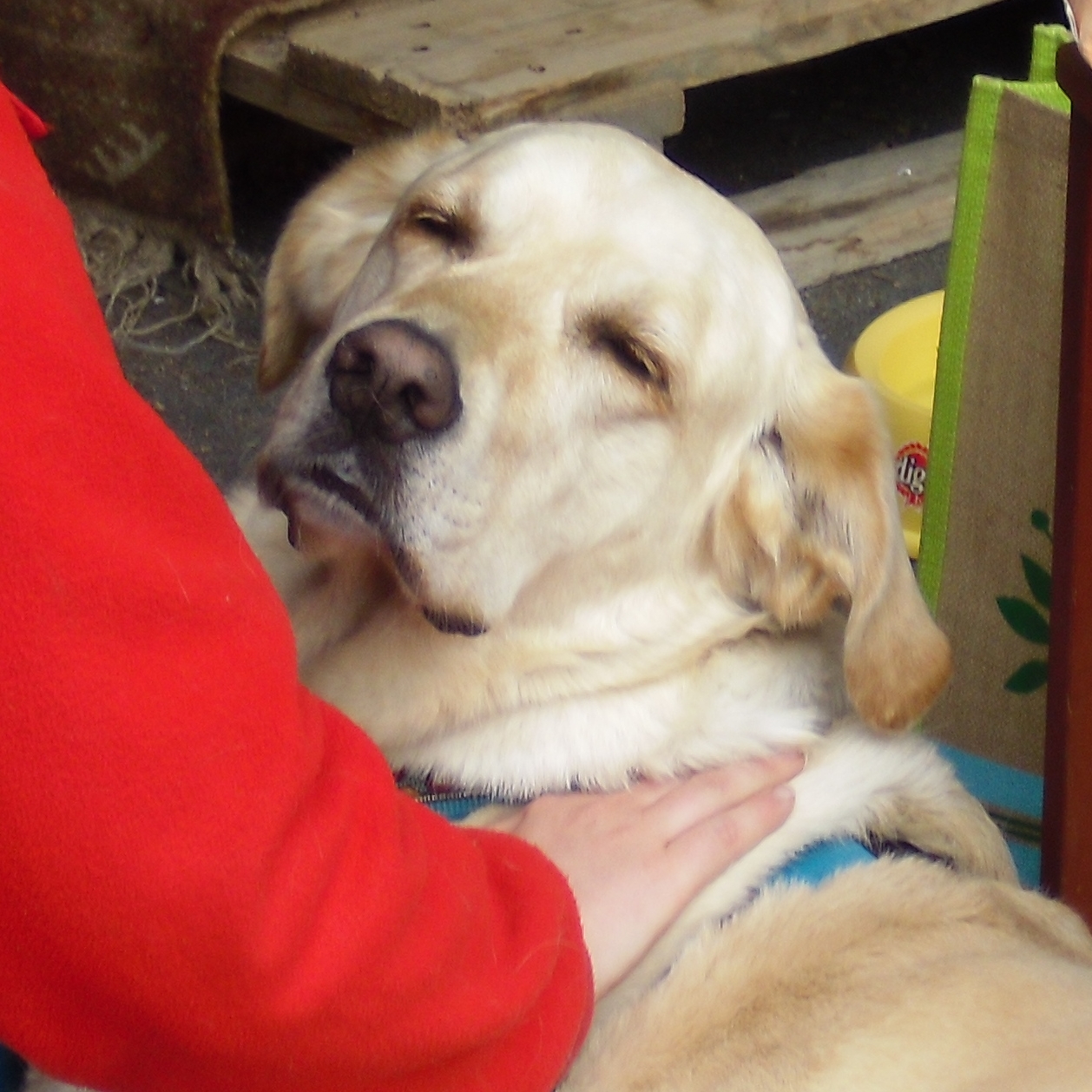
Kinderhände streicheln gerne

Die 3. im Bunde

ist Dagmar Cutka, Hundetrainerin (Spirits of Life,  Schule für Mensch und Hund) und Autorin des Buches „So klappt’s mit Kind und Hund“.  Sie erzählt in der Hunderunde, wie dieses Buch entstanden ist, worum sich das nächste Buch drehen wird und wie ihre Herangehensweise an das Thema „Kund und Hund“ aussieht.

Eine gefährliche Freundschaft

kann aber muss es nicht sein. Ehrliche Überlegungen im Vorfeld, gründliche Vorbereitung und empathische Beschäftigung mit dem Gefährten „Tier“ schaffen eine gute Grundlage für ein harmonisches Zusammenleben.


Hundewissen zum Hören im Hundepodcast von know wau.


Magazin um 5 live von den St. Johanner Friedenstagen 2014

„Ernährungs(un)sicherheit und Welt(un)frieden“ ist das Thema der diesjährigen St. Johanner Friedenstage. Die Radiofabrik ist live dabei in St. Johann im Pongau und sendet von 16. – 18. Oktober jeweils um 17 Uhr: das „Magazin um 5“ direkt aus dem dortigen Kultur- und Kongresshaus am Dom.

Unterstützt werden wir dabei von einer Klasse des St. Johanner Gymnasiums (KV Eva Marchner), die im Rahmen eines Schulworkshops Radiomachen lernten und die Liverberichte mitgestalten.

ReferentInnen sind Ex-EU-Landwirtschaftskommissar Franz Fischler, INTERSOL-Direktor Hans Eder, Agrar-Integrationsberaterin Sumita Hasenbichler, BiolandwirtIn Franziska und Sepp Ortner, Arche Noah Geschäftsführerin Beate Koller und viele mehr.

Infos zum Programm: friedenstage.at

IMG_5514

Gudrun Danter von der ARGE WeltlädenIMG_5518

IMG_5520

IMG_5508

Richard Reicher, Vorstand Kulturplattform St. Johann, Organisationstem Friedenstage

Das Magazin um 5 vom 16. Oktober live von den Friedenstagen in St. Johann gibts hier zum Nachhören: http://cba.fro.at/271326

logo

Hunde tun dem Menschen gut

Hunde tun dem Menschen gut – zu diesem Schluss kommen alle, mit denen ich für die Hunderunde über Therapiehunde und tiergestützten Besuchsdienst gesprochen habe. In unterschiedlichsten Bereichen profitieren Menschen von den „therapeutischen“ Fähigkeiten der Hunde. Eine Studie, die im September veröffentlicht wurde, befasst sich beispielsweise mit den Auswirkungen hundegestützter Therapiestunden auf Menschen mit Depressionen.

Was den Klienten nützt

wird von der Salzburger Lebenshilfe auch ermöglicht. Der Hundebesuch wurde von einer Psychologin für einen bestimmten Klienten empfohlen und eingeführt. Da schnell klar war, dass alle BewohnerInnen davon profitieren, wurde er beibehalten und Elke Mayer erzählt von den Erfahrungen, die sie damit in „ihrer“ Wohneinrichtung gemacht hat.
Dr. Leopold Slotta-Bachmayr, der gemeinsam mit Bettina Falzeder den Verein „Humanis et Canis“ ins Leben gerufen hat, ist selbst mit seinem Bordercollie im Einsatz und hilft bei der Suche nach vermissten Personen. Im Verein „Humanis et Canis“ bietet er Ausbildung und Unterstützung für Mensch-Hund-Therapie-Teams an. Dr. Slotta-Bachmayr sprach über seine persönlichen Beweggründe, sich für „Humanis et Canis“ zu engagieren und erläuterte Inhalte und Schwerpunkte der Ausbildung und worin sie sich von herkömmlichen Erziehungskursen unterscheidet.

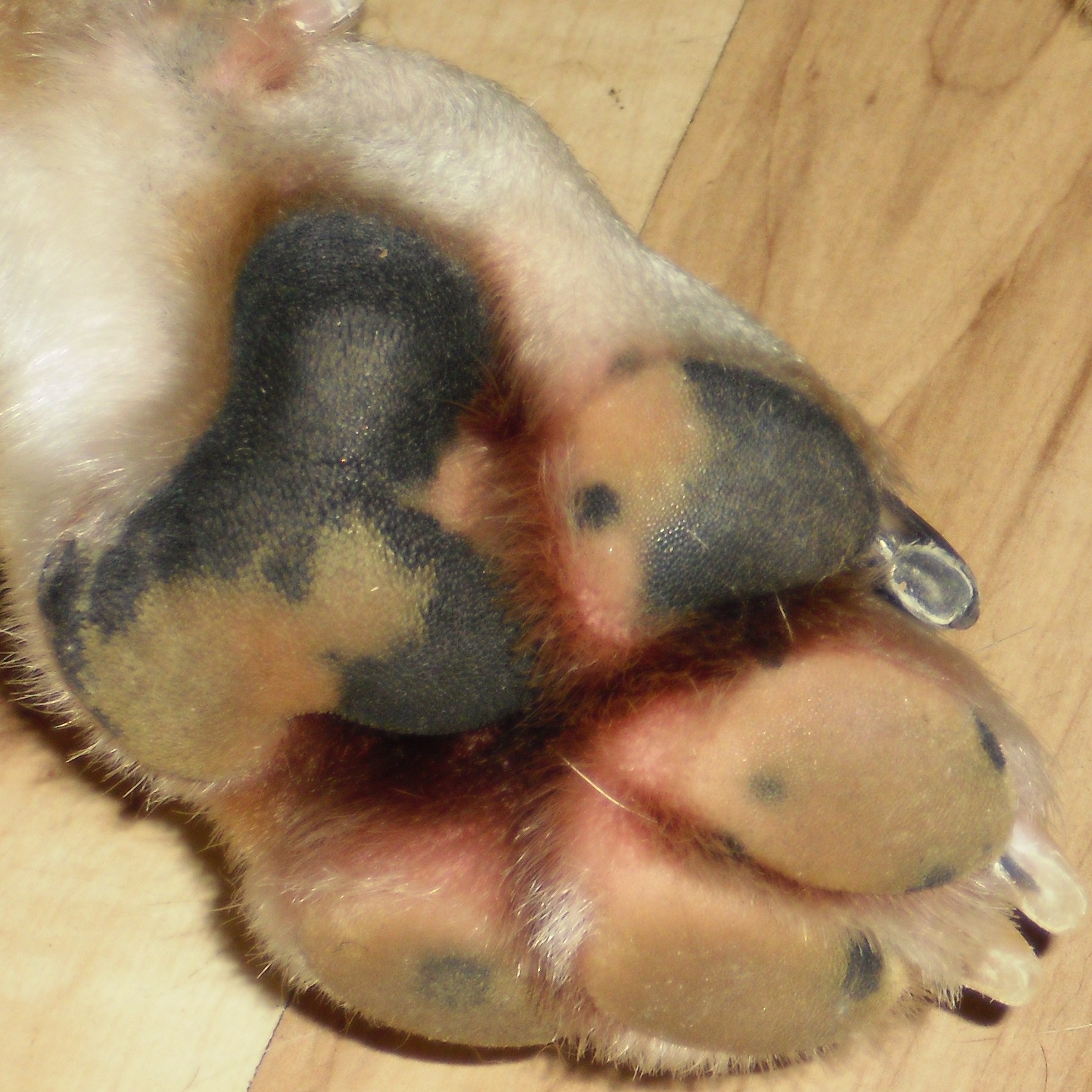
Ein warmes, weiches Fell zu streicheln, tut einfach gut.

Ein warmes, weiches Fell zu streicheln, tut einfach gut.

Auffallend sei, dass immer mehr Menschen, die als Therapeuten oder in ähnlichen Berufen tätig sind, eine solche Ausbildung anstreben, um ihren Hund auch im professionellen Umfeld als „Co-Therapeuten“ einzusetzen. Die Infoabende, die der Verein organisiert, informieren Interessierte über Ausbildungsinhalte, Voraussetzungen, Kosten und Möglichkeiten.

Aus der Sicht des Biologen und des Therapiehundeführers erklärte Dr. Slotta-Bachmayr, warum sich gerade Hunde so gut für den Einsatz als Therapiebegleiter eignen. Die lange gemeinsame Geschichte von Mensch und Hund und die gute Trainierbarkeit spielen dabei eine besondere Rolle.

Dr. Slotta-Bachmayrs Wünsche an die gute Fee

sind bindende Standards für die Ausbildung zum Therapiehund und vielfältige Möglichkeiten für Menschen, die Unterstützung durch die Hunde in Anspruch zu nehmen.

Auch Elfi Albert betonte die Wichtigkeit einer guten Ausbildung für Mensch und Hund. Elfi und ihre Hündin Dixie sind ein eingespieltes Team, das vielen Menschen Freude bringt. Frau Albert schilderte, wie sie durch die Ausbildung zum Mensch/Hund-Therapieteam neue Seiten an ihrer Dixie entdeckte und wie Dixie dazu beiträgt, Menschen zu motivieren und zu aktivieren.

Hunderunde Servicebox:

„Humanis et Canis“ – Verein zur Aus- und Weiterbildung von Mensch/Hund-Therapieteams
“Dogs for people” ein Projekt von “Vier Pfoten”, bei dem Rumänische Streunerhunde zu Therapie- und Rettungshunden ausgebildet werden.

Lesefutter:

Tiere als therapeutische Begleiter: Gesundheit und Lebensfreude durch Tiere – eine praktische Anleitung von Carola Otterstedt
Menschen brauchen Tiere: Grundlagen und Praxis der tiergestützten Pädagogik und Therapie Gebundene Ausgabe von Erhard Olbrich und Carola Otterstedt
Tiere als Therapie. Neue Wege in Erziehung und Heilung von Sylvia Greiffenhagen
Hund im Dienst, Karin Immler


Die Musik zur Sendung:

Sting – Soul Cake
Doris Day – You are so beautiful
Amy Winehouse – Best friends
Norah Jones – Chasing pirates

Hundewissen zum Hören im Hundepodcast von know wau.


„Die Lebensmittel immer knapper werden…“

[iframe src=“http://cba.fro.at/270646/embed?&socialmedia=true&title=false&subscribe=true&series_link=true“ width=“100%“ height=“250″ style=“border:none; width:100%; height:250;“]


What did the soldiers eat during WWI? The answer can vary a lot depending on time, place and the army in which the men were enlisted. In Stimmen aus den Schützengräben #15 we try to give a first impression on this topic with some original documents relating to the year 1917.

The first witness of the week is Captain Howard B. Ward, of the British army (see episodes #2 and #14). In an original recording he explains what British soldiers ate in 1917 on the western front and how the food was brought to the first line. The field kitchen was situated about 50 yards behind the line, and the cooks prepared the same meal more or less everyday: meat, potatoes, sometimes potatoes and cabbages, bread and margarine, sugar, bacon and cheese. Soldiers lived and ate by night, and „everything happened by night“; the day was mostly spent sleeping. Each soldier had a mess tin in which the stew was poured. By day the soldiers could only eat some bread with cheese or bacon, but Howard states that the food was overall „not too bad“. The full recording is available at: http://www.europeana.eu/portal/record/2020601/attachments_66347_4980_66347_original_66347_mp3.html


 British soldiers eating hot rations in the Ancre Valley during the Battle of the Somme, October 1916


British soldiers eating hot rations in the Ancre Valley during the Battle of the Somme, October 1916 (Imperial War Museums)


The second witness of the week is German soldier Johann Görtemaker (see episodes #5, #12, #13 and #14). On the 1st of April 1917 he wrote a letter to his parents from Belgium, in which he describes the food ration of a German soldier on the western front: a hot lunch everyday, and every two days a 3 pound bread (about 1,4 Kg), butter and marmalade. Görtemaker writes: „even if it’s definitely not much, it’s still enough“. The letter provides additional information on food shortages among the civilians: „the fact that the food becomes scarcer and scarcer is maybe the saddest thing in this war. As a soldier, one does not notice it…“. Food was saved for the soldiers on the front line, and eventually the Central Powers run out of supplies. Towards the end of the war, both soldiers and civilians were literally starving. The lack of flour was compensated by adding sawdust and straw to the bread, and the broth was less and less nourishing. The lack of hygiene and poor storage conditions were also lessening the food’s quality. The full transcription of Johann Görtemaker’s letters is available at: http://www.europeana1914-1918.eu/de/contributions/462


Austrian Soldiers having lunch on the Marmolada. 24 September 1917 (Österreichische Nationalbibliotek)

Austrian Soldiers having lunch on the Marmolada. 24 September 1917 (Österreichische Nationalbibliotek)


The last witness of the week is Italian Lieutenant Paolo Caccia Dominioni, who wrote a war diary later published under the title: „1915-1919. Diario di guerra„. The entry dated 20th of September 1917 provides us with interesting information on the organisation of the Italian army and the food on the Karst Plateau front. The soldiers were given every day a disgusting broth with rice, and they started protesting. After being cooked, the rice was carried on muleback for two hours and when it reached the trenches it looked like a disgusting white jelly. Caccia Dominioni sent an order to the kitchens asking to prepare the broth without the rice, and thus managed to appease the soldiers. The rice, however, was still a problem. The Army was bound by a contract and it was not possible to terminate it. The bags were piling up in the warehouse, and there was no way of getting rid of them. Caccia Dominioni tried to ask permission to sell the rice to the civilians, and use the money to buy better food for the troop. He was harshly rebuked by his commanding officer, and told it was against all rules of the Army. He was then suggested to use the rice to feed some mules, which he did, and for a while everybody was happy. However, Caccia Dominioni reports in the following entry of his journal that the mules, only fed with rice, got sick and died.


-Credits-

Editing: Larissa Schütz , Matteo Coletta.
Commentary: Matteo Coletta

Voices in this episode: Hannes Hochwasser als Johann Görtemaker, Matteo Coletta as Paolo Caccia Dominioni, Howard B. Ward as himself.

Jingle:

Music: Gregoire Lourme, “Fire arrows and shields
Concept: Matteo Coletta
Voices: Hanes Hochwasser, Matteo Coletta, Roman Reischl, L.J. Ounsworth, Norbert K. Hund.

Die Salzburger Kochshow

Aufgrund der technischen Schwierigkeiten – die weit komplexer waren als wir bei der Lösungsfindung im Studio gedacht hatten – und der unbewussten Eingabe doch noch ein Stück Musik mitzunehmen, gab es nun am 6. Oktober anstatt einem Vorstellungsgespräch (ob die uns wohl genommen hätten?) die erste(?) Live-Kochshow in der Radiofabrik.

Weiterlesen

Out of Nothing – Schwerpunkt tanz_house festival im Magazin um 5

k_OON-sujet-small(c)Alexander-Sturzer


„Out of nothing is not an unknown place. Out of nothing is maybe a state of mind.“ – Am 8. und 9. sowie am 14. und am 15. Oktober steht das Magazin um 5 ganz im Zeichen des tanz_house Festivals 2014. Passend dazu gibt es Künstler und Kuratoren im Interview und Ausschnitte aus den Artist Talks.

Mit dabei sind freischaffende KünstlerInnen und Kompanien aus Österreich, Frankreich, USA, Deutschland Slowenien, Türkei, Slowakei und Griechenland. Ziel des tanz_house Festivals ist ein Dialog innerhalb der choreografischen Plattform tanz_house, mit eingeladenen Künstlern und dem Publikum.

Freut euch also auf viele spannende Programmpunkte im Magazin um 5 rund um das zweiwöchige tanz_house Festival.

 k_Rootlessroot2(c)Mike-Rafail

k_Ceren-Oran(c)Harald-Gaukel

Zum Vormerken: Yusuf/Cat Stevens am 13.11. in Wien

Infos: https://www.facebook.com/YusufCatStevens
http://www.stadthalle.com/events/YUSUF-CAT-STEVENS/7962

Yusuf / Cat Stevens

Peace Train…Late Again Tour


http://www.tempodrom.de:

Cat Stevens war der überragende musikalische Poet seiner Zeit. Er schuf einen einzigartigen Songkanon, der ihn weltberühmt machte. Als Yusuf Islam fand er später seine persönliche spirituelle Erfüllung, die Fans bewahrten ihn jedoch in ihrer Herzen stets als den ultimativen Folkrock-Troubadour.

Weiterlesen